The Canon EOS R is the best deal in video!
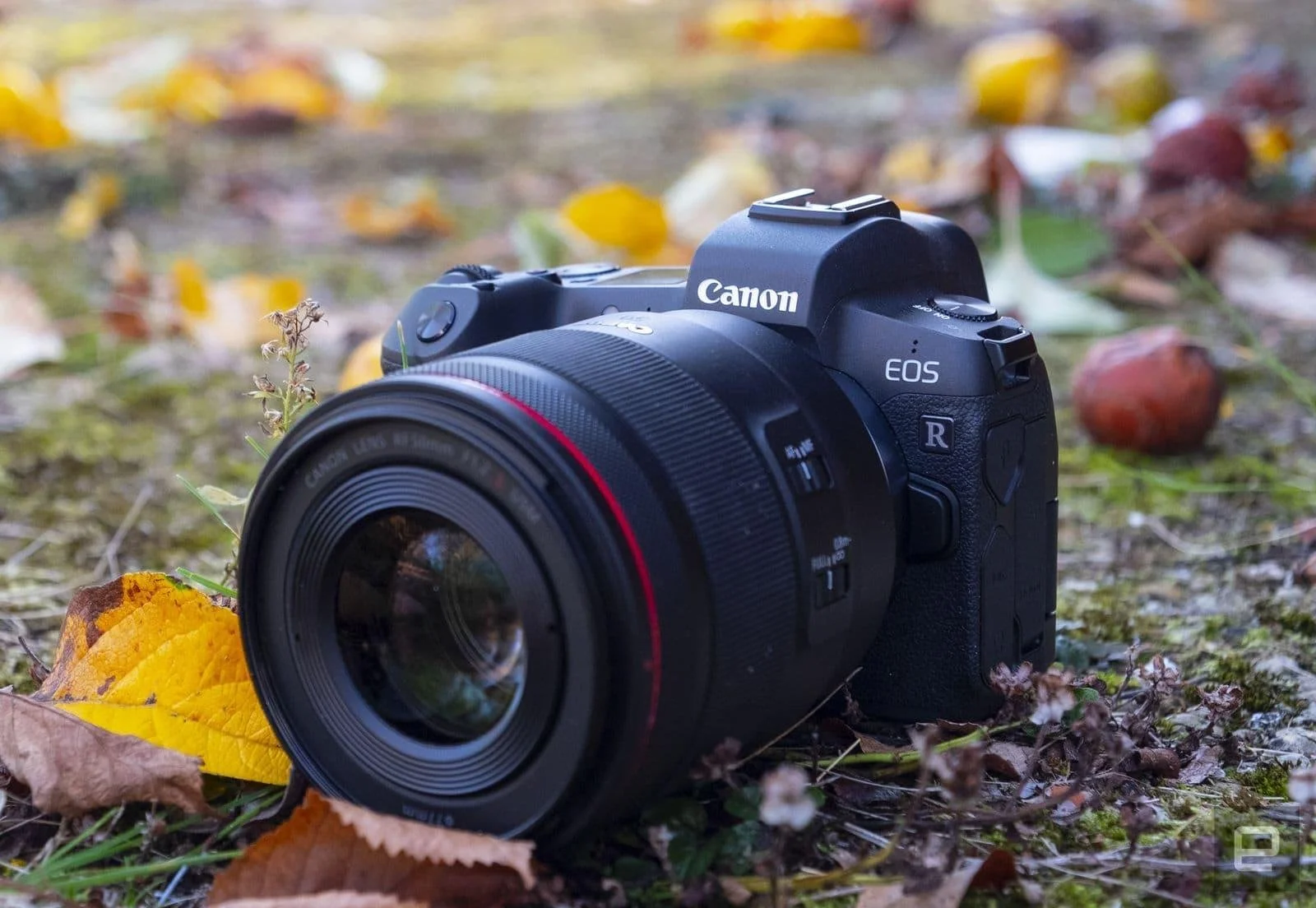
When Canon released the EOS R5, the specs blew everyone away. It’s an amazing camera with 8k RAW, IBIS, 45 MP stills. It was great. But, with that announcement one of their older cameras became the best deal in video. And that camera is the EOS R.
For those that don’t know, I’ve owned a lot of different cameras. Olympus E300, Canon 20d, 5d, 5d Mark II, 5d Mark III, 5d Mark IV, 6d, 7d, R, Fuji X-Pro 1, X-Pro 2, x100, x100s, x100t, Sony RX100 VII, Sony RX10 IV, Sony EX-1, Sony FS5, Sony FS7, Blackmagic Pocket Cinema 6k, Canon C100 Mark II, Canon C200, and many go pros and DJI cameras and all sorts of gear. And that’s just what I’ve owned myself. So you could say that I’ve had a variety of experience with a wide range of stills and video cameras. And when I was starting out, I used to rig out a DSLR as my main video camera. I did a lot of great projects with that setup.
When the EOS R came out, it was met with mixed reviews. Mirrorless lovers were sold on the fact that Canon was finally stepping up their game, pixel peepers loved the RF glass, but professionals were put off by one card slot and lack of stabilization. A lot of people, myself included, picked one up just to see what we really thought about mirrorless. The R had a 30.3MP Full Frame sensor, 4k 30fps for video, it offered Canon’s great Dual Pixel autofocus and even had c-log included (I had to pay for that on my 5d Mark IV). This was a well rounded stills and video camera.
People are always going to complain about something and the EOS R was no different, specifically with the video features and lack of dual card slots. The dual card slot thing I get. While I’ve never had a card fail on me, I always shot weddings to both cards. The video complaints fell on deaf ears for me. The biggest complaints were lack of IBIS, that the video was 8bit 4:2:0, the cropped 4k and that it didn’t have 4k/60. But I think a lot of those complainers didn’t really shoot with the camera. 4k/60 has become a crutch for a lot of people to just slow stuff down to slow it. And Canon’s 8bit holds up every bit as good as other systems 10bit when you’re grading. IBIS was a more realistic complaint to me, but my main lenses had IS in them so it was fine. And the cropped 4k was annoying, but if you come from the video world almost everything you shoot is Super35 sized sensors anyways, so it wasn’t that different. This was a little camera that could grind and create some great content.
Then the EOS R5 was released and minds were blown. But when you look beyond the spec sheet to real world applications, I think the R is better for almost every user. So let’s look at the features… 8k RAW was the mind blower. It would be great to have that in any camera, until you have to store and edit it. I’m shooting 4k RAW regularly on the C200 and file sizes are large. 8K would be difficult to manage for the smaller side productions that this camera is aimed for. 4k120 is awesome as well, and there are applications where that would be great. But much like 4k60 it becomes a crutch for lazy filmmaking a lot of times. IBIS is a great add on for people using lenses without built in stabilization, but a lot of us already have a lot of IS lenses. And then you get into the overheating and all that controversy I don’t need to rehash.
If you’re vlogging, doing home movies, or small commercial projects the R5 features are great to have, they’re just not practical for the amount of footage you’ll shoot. Plus, let’s dive into the costs. The R5 is overpriced IMHO. It should have come in at $3,299 not $3,899 but it is what it is. You have a camera at $3900 that needs CF Express cards. I like to have at least enough media for 2 hours of recording on hand. So add $1500 for 2, 1tb CF Express cards. Now you’re at about $5,500. You’ll have to add something like a Mix Pre 3 or Zoom for audio and you’re close to $6,000. Which is about the same price a more reliable video set up as the C200 (with media).
But I started this off by saying the EOS R was the best deal in video. Why’s that? Because you can shoot great 4k video to affordable SD cards for only $1,250 used. You’ll still need an audio recorder like above, but you’re into this setup for a MUCH more affordable price and you’ll have a way better experience. Put the extra $4,000 you saved into mics/lights/computer/etc and overall you’ll enjoy it more.